5th September 2026
📍 Left Handed Giant, St Philip’s BS2 0JE
🕛 Rider registration: 12:00
🚴 Riders start: 13:00
About the DRT
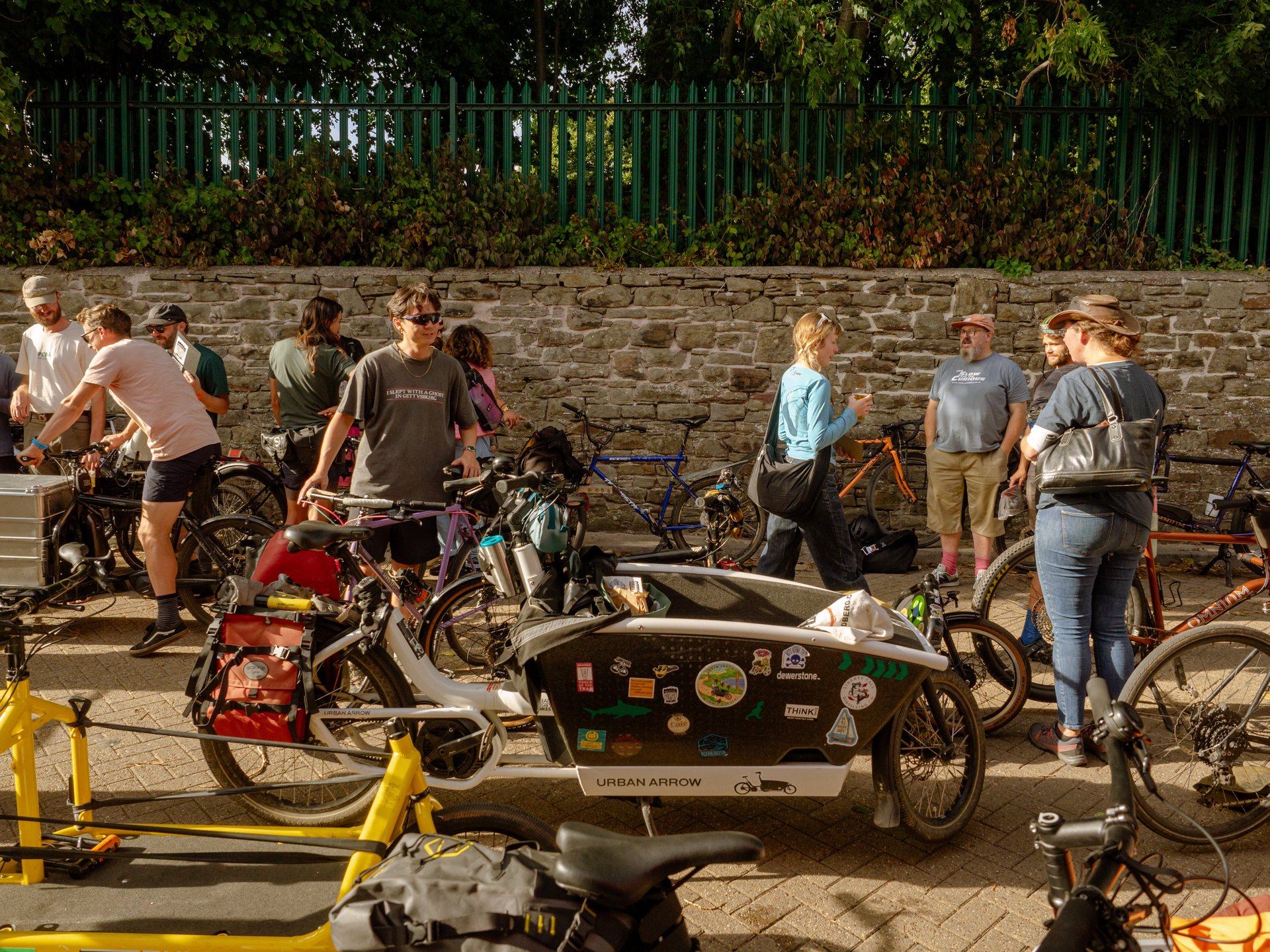
The Disaster Relief Trials are a community led event that brings together riders, volunteers and local organisations to explore how cargo bikes can support real world responses when things don’t go to plan.
The Bristol DRT is based on US events created by the legend Mike Cobb. The first DRT took place in Portland Oregon in 2012.
The event is built around a fictional disaster scenario, where infrastructure is disrupted and communities must respond with limited resources. Roads are blocked, power is unreliable and normal systems cannot be assumed. Riders, volunteers and organisers work together to move supplies, solve problems and make decisions under pressure.
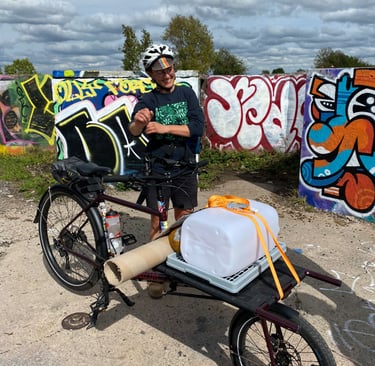
Disaster resilience is not just about emergency response. It is about grid independence, smart infrastructure, education and strong cooperation between community groups. Tools like solar power, food growing, water collection and bikes make communities more resilient day to day, while becoming invaluable when disaster strikes.
Disaster Relief Trials make the case for cargo bikes as part of that resilience. Cargo bikes are light, efficient and capable of moving heavy loads without fuel, electricity or complex infrastructure. They can transport supplies, people and messages when other systems are strained or unavailable. In everyday life and in emergencies, they simply work.
Volunteers are central to making this happen. From setting up and running checkpoints to overseeing challenges on the day, volunteers keep the event safe, fair and welcoming. Just like in real disaster response, it is the people on the ground who make the difference.
Local organisations play a key role too. They bring local knowledge, help shape realistic challenges and demonstrate how communities can work together when normal systems are disrupted.
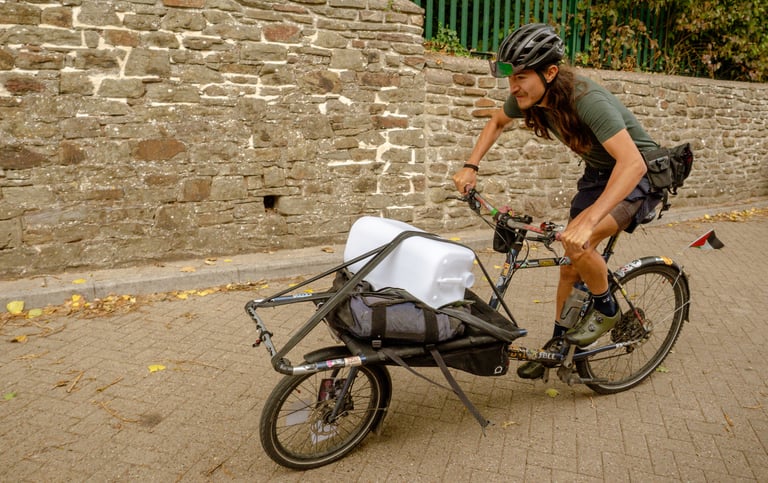
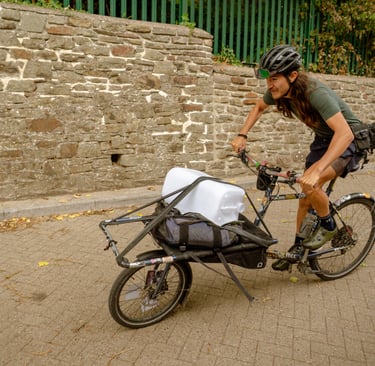
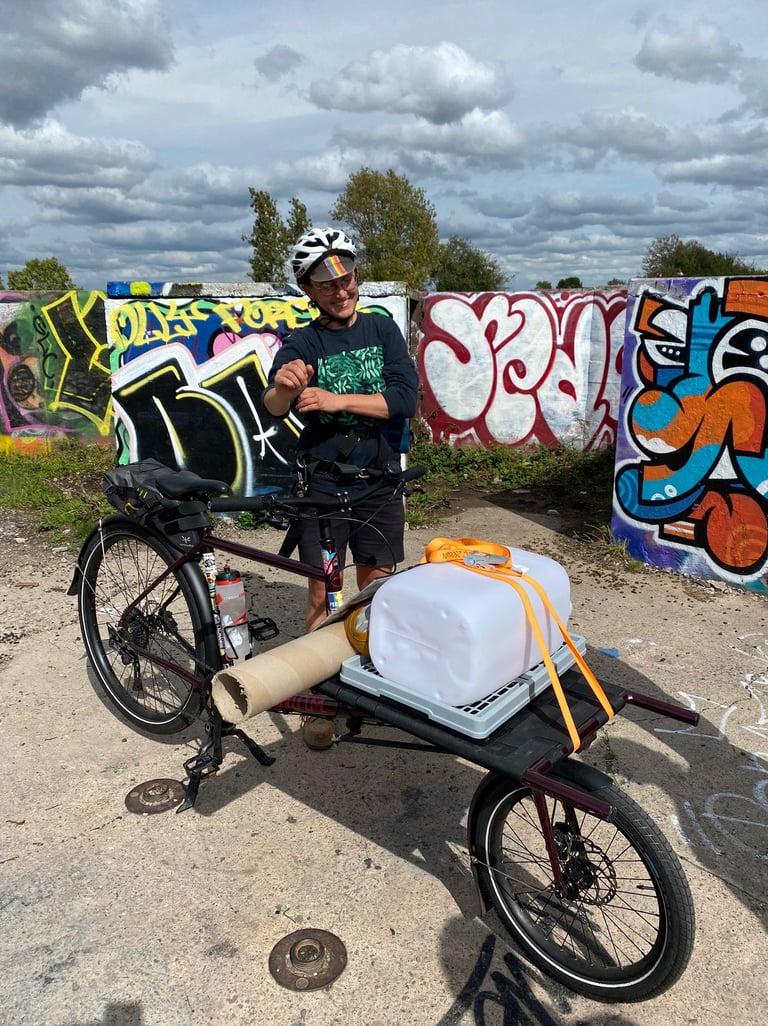
There are four riding categories: Solo E-assist, Solo Pedal Power, E-assist Pairs and Pedal Power Pairs. Riders use a cargo bike or a bike and trailer to complete the course. Pedal power categories are a real leg burner, testing navigation, problem solving and decision making. No phones. No GPS. Just riders, their bikes and the task at hand.
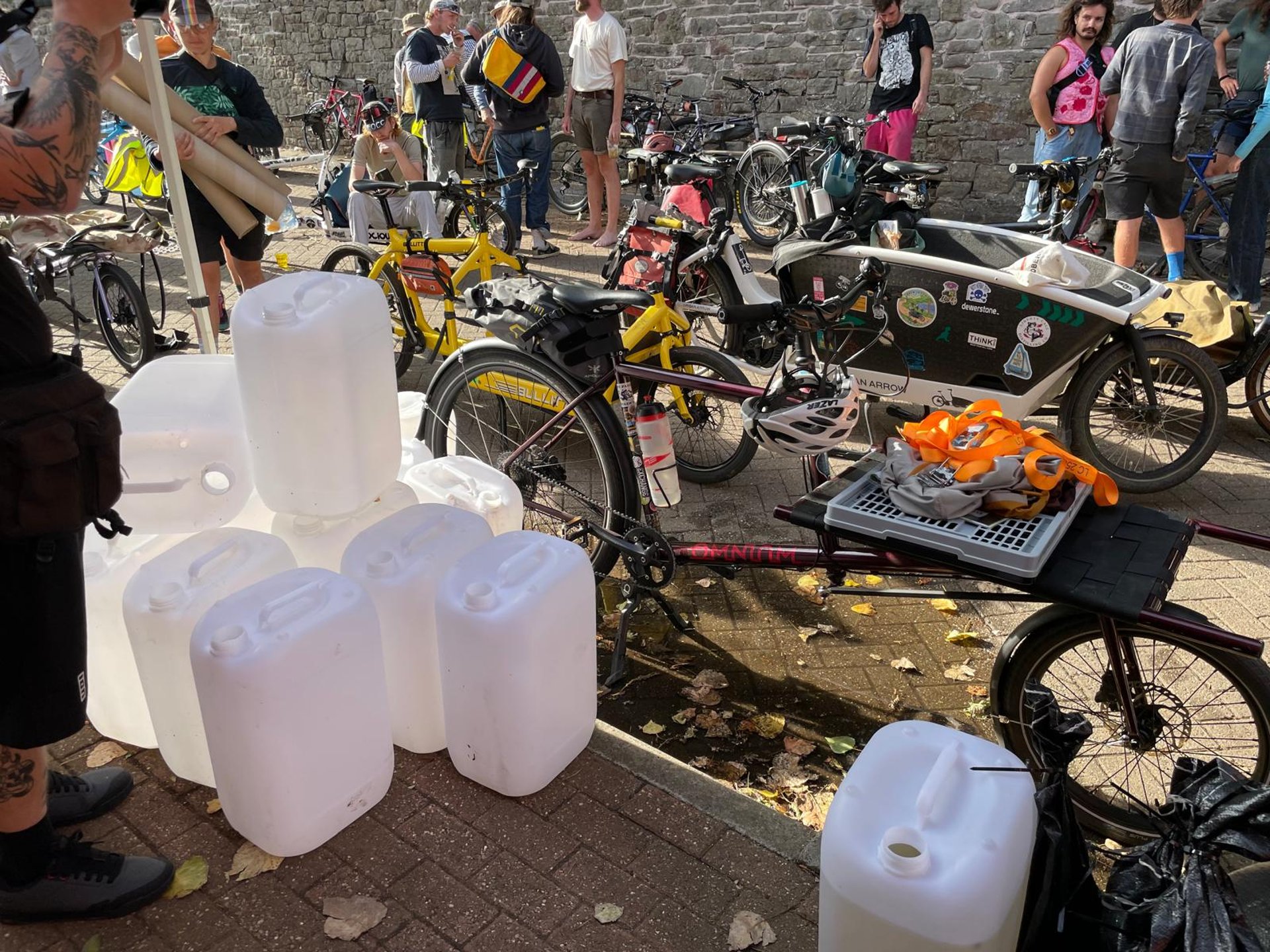
There are five checkpoints in total, including the start and finish, which can be visited in any order. Riders move 50kg of cargo overall, making strategy key. Checkpoints and cargo details are revealed on the day, with a laminated map and full instructions provided one hour before the main event begins.
Disaster Relief Trials make the case with energy and fun, that cargo bikes are not just recreational, but practical tools for building stronger, more resilient communities